
It sounds utterly extravagant – until you start doing the sums and realise it’s completely doable.
I’ve always wanted retirement to come with a little more adventure than sensible shoes and getting excited about the weekly supermarket specials.
So here’s an idea: what if, instead of downsizing into a retirement village, you packed your bags and spent your first year of retirement living on cruise ships?
No lawns to mow. No grocery shopping. No cooking. Someone makes your bed every morning, and while you’re sleeping someone else drives you to Barcelona.
Haven't got time to finish this post now?
People really are living like this, either by booking months of back-to-back cruises, spending part of every year at sea, or actually buying a residence on one of the new breed of residential cruise ships.
So I went down the rabbit hole to find out whether retiring at sea is genuinely feasible – and how much you’d need…
How common is it to retire on a cruise for a year?
It’s still unusual, but it’s certainly not unheard of.
Cruise lines don’t publish figures for how many people live permanently aboard because technically these people are simply passengers who keep booking another cruise.
But there are some brilliant real-life examples.
Australian retirees Marty and Jess Ansen famously booked 51 back-to-back cruises aboard Coral Princess, spending more than 450 days on the ship. They told Australian television that the arrangement worked out cheaper for them than moving into a retirement home.
More recently, Libby Rome and her husband have been living full-time aboard cruise ships for more than three years and have completed more than 70 cruises and 900 nights at sea, with their entire 2026 already booked as back-to-back cruises. They generally spend eight or nine months at a time aboard before the occasional hotel stay between ships.
But if selling everything and declaring Cabin 8234 your permanent address is a bit too extreme, there is a much more achievable version of the idea: The retirement gap year.
Keep your house – or rent it out – put a few belongings into storage and spend six or 12 months sailing around the world.
How would you spend a year living on cruise ships?
I wouldn’t necessarily stay on one ship. I would piece together longer cruises on lines such as Princess, Holland America, Celebrity, Royal Caribbean or Norwegian, with perhaps 10 cruises across the year.
The trick would be finding itineraries that connect.
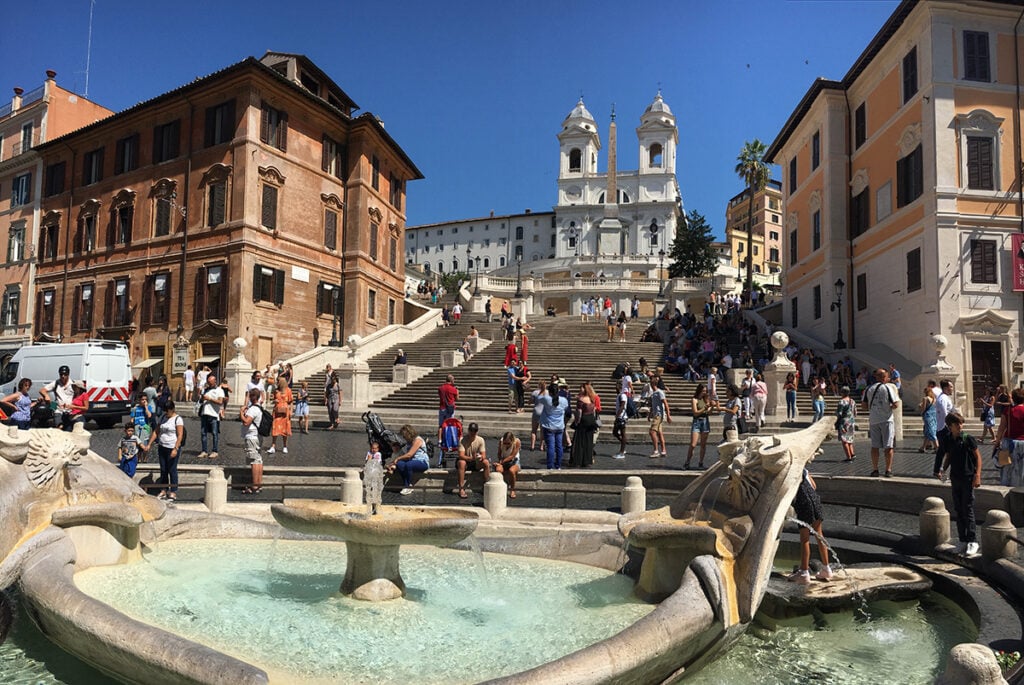
For example, you might cruise from Australia or New Zealand through Asia, reposition to Europe for summer, cruise the Mediterranean, pick up a transatlantic crossing in autumn, spend winter cruising the Caribbean, then cross the Pacific.
Long cruises and repositioning cruises would become your best friends because they can offer much better value per day than a string of seven-night holidays.
And you wouldn’t necessarily need to cruise for all 365 days.
For my imaginary retirement year, I’ve allowed around 335 nights at sea and 30 nights in hotels or Airbnbs while moving between ships or spending longer on land in destinations.
How much would 10 cruises in a year cost?
This is where it gets interesting. The number of cruises isn’t really the important figure. What matters is how much you’re paying per person per night.
For a couple spending around 335 nights cruising, I’d use these figures as a realistic planning guide:
| Style of cruising | Approximate cost for two |
| Bargain hunter / mostly inside cabins | NZ$100,000–$130,000 |
| Comfortable mainstream cruising | NZ$150,000–$180,000 |
| Mostly balcony cabins | NZ$210,000–$250,000 |
| Premium cruising | NZ$300,000+ |
These aren’t quotes from one particular cruise line – use them as budgeting ranges because cruise fares vary enormously according to destination, season, cabin and how early you book.
But if you’re flexible about dates, happy with inside cabins (not me!) and actively hunt longer and repositioning cruises, the nightly cost can come down dramatically.
What about the month spent in hotels or Airbnbs?
I’d allow around NZ$7,500–$10,000 for 30 nights.
You certainly wouldn’t need to stay in luxury hotels every night. In some places you could rent an apartment for a week or two, giving you the chance to wash clothes, cook, spread out and remember what it’s like to have a room larger than 15 square metres.
You’d also need money for:
- flights between cruise ports
- travel insurance
- gratuities
- drinks
- Wi-Fi if it isn’t included
- visas*
- laundry
- transfers
- shore excursions
- meals while you’re off the ship
- medical expenses
- the occasional shopping spree because presumably retirement doesn’t mean giving up handbags.
I’d therefore add another NZ$25,000–$40,000 contingency for two people across the year.
That gives me a realistic target of around:
NZ$160,000–$200,000 for two people to comfortably spend a year travelling mainly by cruise ship.
At NZ$160,000, that’s about NZ$438 per day for two people, or NZ$219 each.
And remember, that covers most of your accommodation, food, entertainment and transport around the world.
Suddenly it doesn’t sound quite as ridiculous does it!
What are residential cruises?
Then I discovered there is another option entirely. You can actually buy a home on a cruise ship.
Residential cruise ships are essentially floating apartment buildings that continually sail around the world. Instead of booking a cabin for seven nights, you buy, lease or secure long-term rights to your own cabin or apartment.
Some have studios and traditional cruise-ship cabins; others have enormous multi-bedroom apartments that look more like luxury penthouses.
You leave your belongings aboard, come and go as you please and rejoin your floating home at another port.
Depending on the ship, meals, housekeeping, Wi-Fi, entertainment and some drinks may be included, although you’ll usually pay ongoing monthly or annual fees.
There are only a handful of genuine residential ship projects at present – so make sure you’re looking at the ones actually sailing and not the computer-generated ones that haven’t left the shipyard yet.
Which cruise lines can you buy apartments on?
Villa Vie Odyssey
This is the most attainable residential ship I’ve found – and importantly, it’s actually sailing.
Villa Vie Odyssey offers several ways to live aboard. Permanent residency currently starts at US$119,999, while a five-year residency starts at US$59,999. Monthly fees start at US$1,999 per person based on two sharing.
There’s also a lifetime programme called Endless Horizons starting at US$349,999, with meals, internet, housekeeping and activities included and no monthly fees.
The ship carries a residential community of up to about 650 people and continually travels the world.
This is much closer to a traditional cruise ship than a luxury condominium, but financially it makes a fascinating alternative to booking ordinary cruises year after year.
The World
At the opposite end of the spectrum is The World, Residences at Sea.
This is the OG of residential ships, with 165 privately owned residences, and it has been operating for more than two decades.
Occasionally apartments come up for resale with current asking prices range from around US$3.5 million to US$15 million, plus annual ownership fees.
So unless I’ve been significantly underestimating my KiwiSaver balance, I’ll probably stick with Villa Vie.
How much would it cost to drive a campervan around Europe for a year?
Then I wondered how cruise-ship retirement compared with that other classic retirement dream: buying a campervan and driving around Europe.
For a couple, I’d budget roughly NZ$75,000–$100,000 for the year if you buy a used campervan and resell it afterwards.
Your rough annual budget might include:
| Expense | Approximate annual cost |
| Depreciation on campervan after resale | $15,000–$25,000 |
| Campsites and motorhome stops | $12,000–$20,000 |
| Fuel | $7,000–$10,000 |
| Insurance | $1,500–$2,500 |
| Repairs and servicing | $3,000–$6,000 |
| Tolls, ferries and parking | $4,000–$8,000 |
| Groceries | $12,000–$16,000 |
| Eating out and sightseeing | $6,000–$12,000 |
| Approx total | $60,500–$99,500 |
Renting the campervan for a full year would be much more expensive.
Roadsurfer currently advertises European campervans from €65 per night, while larger RVs start around €85 per night – and those are starting prices, with seasonal pricing on top.
There is also one pretty significant problem for non-Europeans planning a year driving around Europe. We can generally visit the Schengen Area visa-free for only 90 days in any 180-day period, so you’d need to carefully plan time in and out of Schengen countries or obtain the relevant long-stay visas.
Cruise ship retirement vs campervan retirement: what does a year cost?
| Retirement adventure for two | Rough annual budget |
| Campervan around Europe | NZ$75,000–$100,000 |
| Bargain year of cruising | NZ$130,000–$150,000 |
| Comfortable year of cruising | NZ$160,000–$200,000 |
| Mostly balcony cabins | NZ$220,000–$280,000 |
| Premium cruise lifestyle | NZ$300,000+ |
The campervan wins comfortably on price BUT in the campervan you’re driving, buying fuel, getting it serviced, navigating each day, shopping, cooking, making beds, doing dishes, finding somewhere legal to park, filling the water tank and emptying the loo.
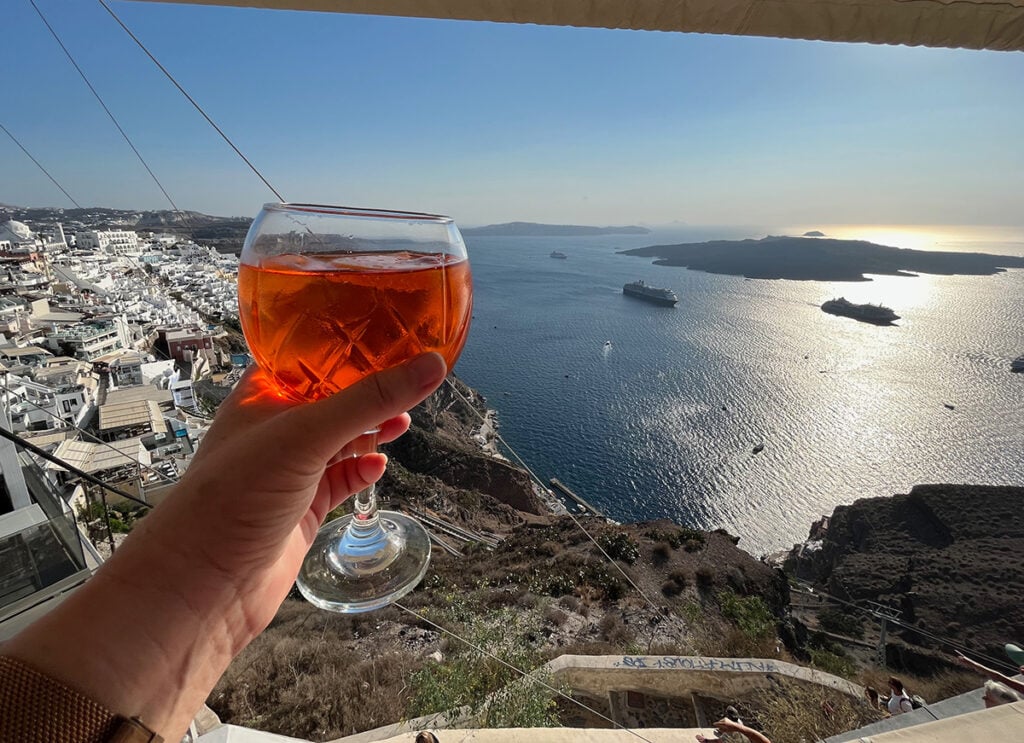
On the cruise ship you’re ordering another coffee while someone else drives you to Santorini.
What are the pros of doing back-to-back cruises in retirement?
Someone else does the chores. Meals, cleaning, fresh towels and entertainment are all taken care of.
It’s wonderfully social. Trivia, dinner, excursions, classes and bars provide plenty of opportunities to meet people, which could be particularly appealing to solo retirees.
You can follow the sun. Europe in summer, New England in autumn, the Caribbean in winter and Alaska the following year sounds pretty good to me.
Your expenses become more predictable. Accommodation, food and a large chunk of your entertainment are bundled into the fare.
Family can join you. Rather than flying home, invite the kids or grandchildren to book one of your cruise segments.
You can earn serious loyalty perks. Spend hundreds of nights with one cruise line and things like laundry, Wi-Fi, drinks and priority boarding start becoming genuinely useful.
There’s medical help aboard. Cruise ships have medical centres for routine and urgent problems, although they’re obviously not substitutes for a full hospital.
And perhaps best of all: you wake up somewhere different every few days.

What are the cons of doing back-to-back cruises in retirement?
It isn’t necessarily cheap. The headline cruise fare is only the beginning once you’ve added insurance, excursions, gratuities, drinks, Wi-Fi, laundry and transport between ships.
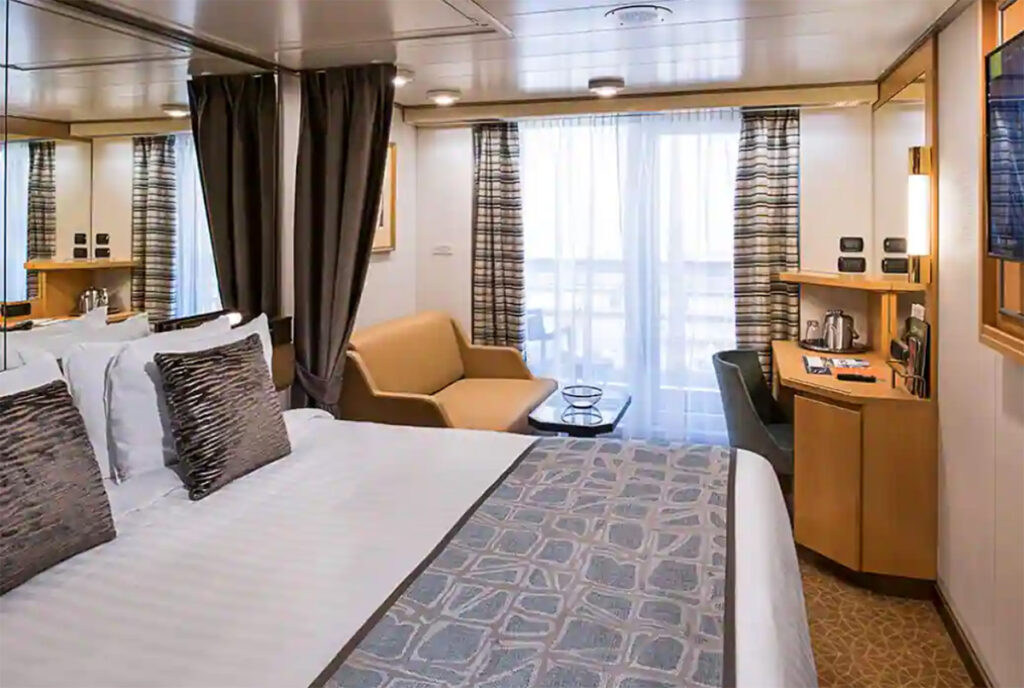
Cruise cabins are small. Even people who adore each other may discover there are limits to how romantic 15 square metres feels after ten months.
Healthcare gets complicated. Ongoing prescriptions, specialists, dental care, screenings and serious illnesses are much easier to manage when you’re living permanently on land.
Travel insurance can be difficult. Many policies have maximum trip durations and special conditions for people travelling continuously.
You may need to change cabins or ships. Unless you’ve booked the same cabin for consecutive sailings, there could still be packing involved.
You surrender control. Weather, mechanical problems, wars and port closures can all change your carefully planned itinerary.
You may miss ordinary life. Grandchildren, birthdays, pets, friends, gardens and your own bed can become more important than another sunset over Mykonos.
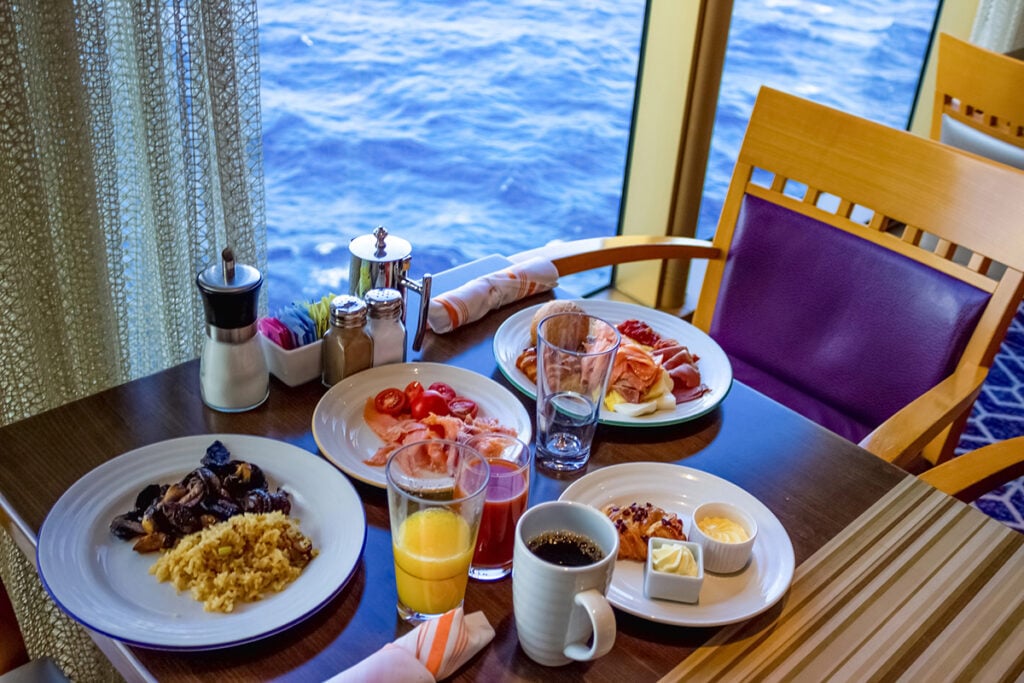
And of course the buffet eventually becomes just the place you eat breakfast.
Would I do it?
I’d love to! But rather than selling my house and announcing that I’ll be living on Deck 8 until further notice, I’d start with the retirement gap year.
A year is long enough to have a genuine adventure, but short enough that you’re not making an irreversible decision.
I’d keep a home base – or rent the place out – and book a series of long cruises that gradually took us around the world.
If, after 12 months, I still became ridiculously excited when I heard “Welcome aboard”, perhaps I’d start looking at residential ships.
And if I discovered I desperately missed my friends and family, I’d go home.
Retirement doesn’t have to mean deciding what you’re going to do for the next 30 years.
Maybe you just decide what you’re going to do next year.
More of my Cruise posts
This post I wrote for first-timers, all the things you need to know
Have a look around Holland America Line’s Oosterdam with me, the last cruise I sailed